
Date: January 3-4, 2026
Location: Phoenix Convention Center, Phoenix, AZ (131A)
Organizers:
Theron Carmichael (tcarmich@hawaii.edu)
Briley Lewis (brileylewis@ucsb.edu)
Guadalupe (Lupita) Tovar Mendoza (gtovarm1@jh.edu)
Background and Context:
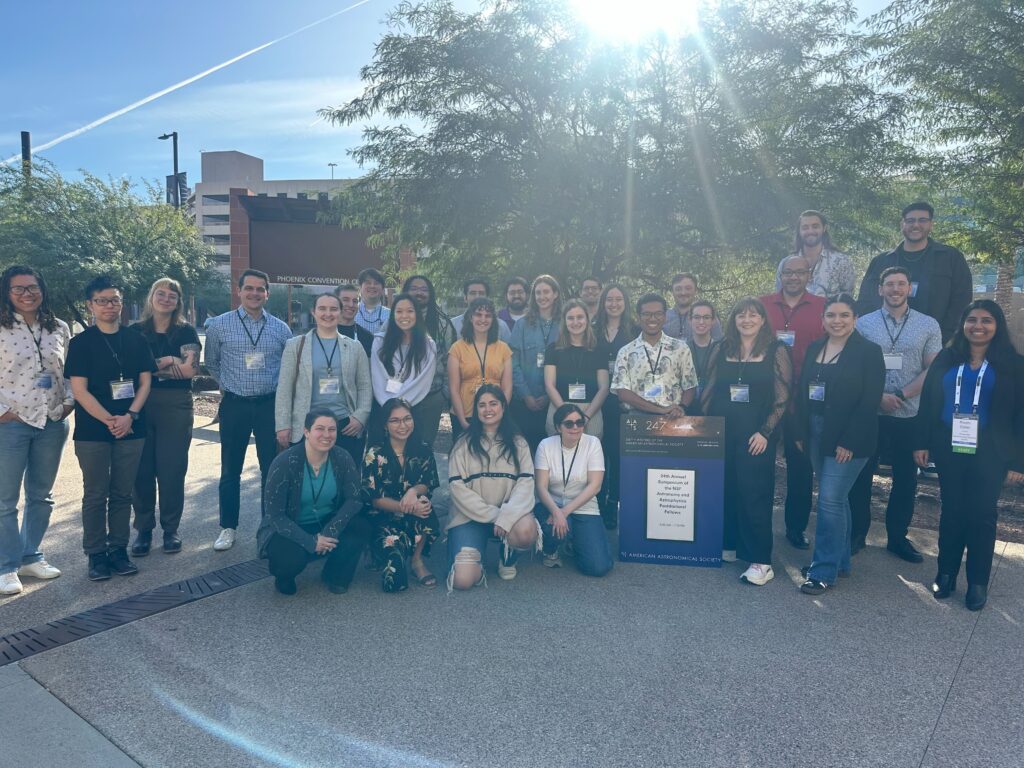
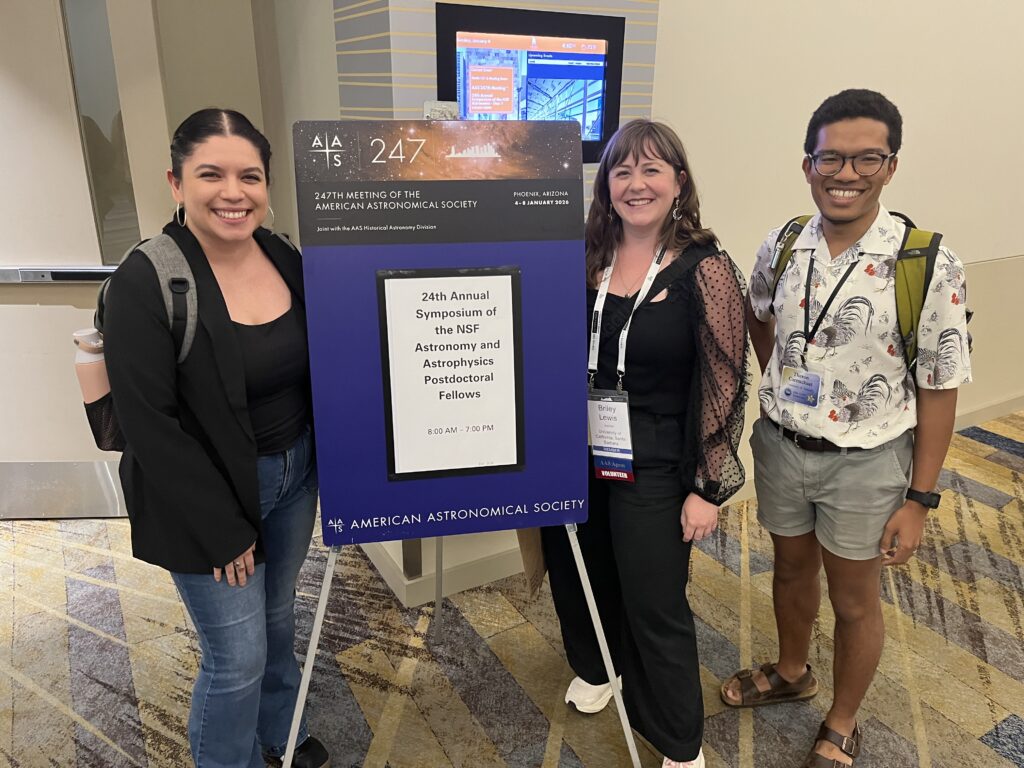
The NSF Astronomy & Astrophysics Postdoctoral Fellowship (NSF AAPF) and Math and Physical Sciences Ascending Postdoctoral Fellowship (MPS-Ascend) programs aim to prepare postdoctoral fellows for their future scientific careers by integrating research and teaching/outreach. The 24th Annual Symposium for NSF AST fellows will bring together current NSF AAPF and Astro MPS-Ascend fellows, faculty mentors, prominent members of the community, members of the NSF staff, and other interested members of the community. This symposium provides (1) a platform for fellows to discuss their research and broader impact projects, (2) exposure for the fellows and the fellowship program within the astronomical community, and (3) an open discussion of issues that are important to astronomers as they begin their careers.
Download Symposium Details Here.
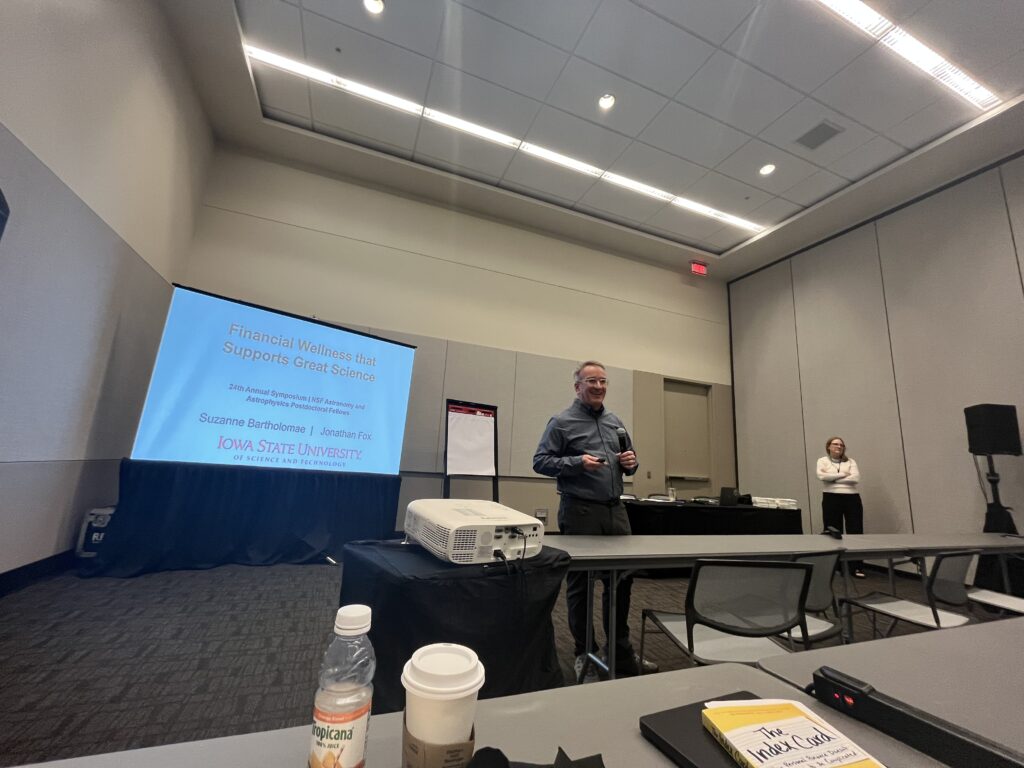


Speakers: Dr. Jonathan Fox and Dr. Suzanne Bartholomae
Title: Financial Wellness That Supports Great Science
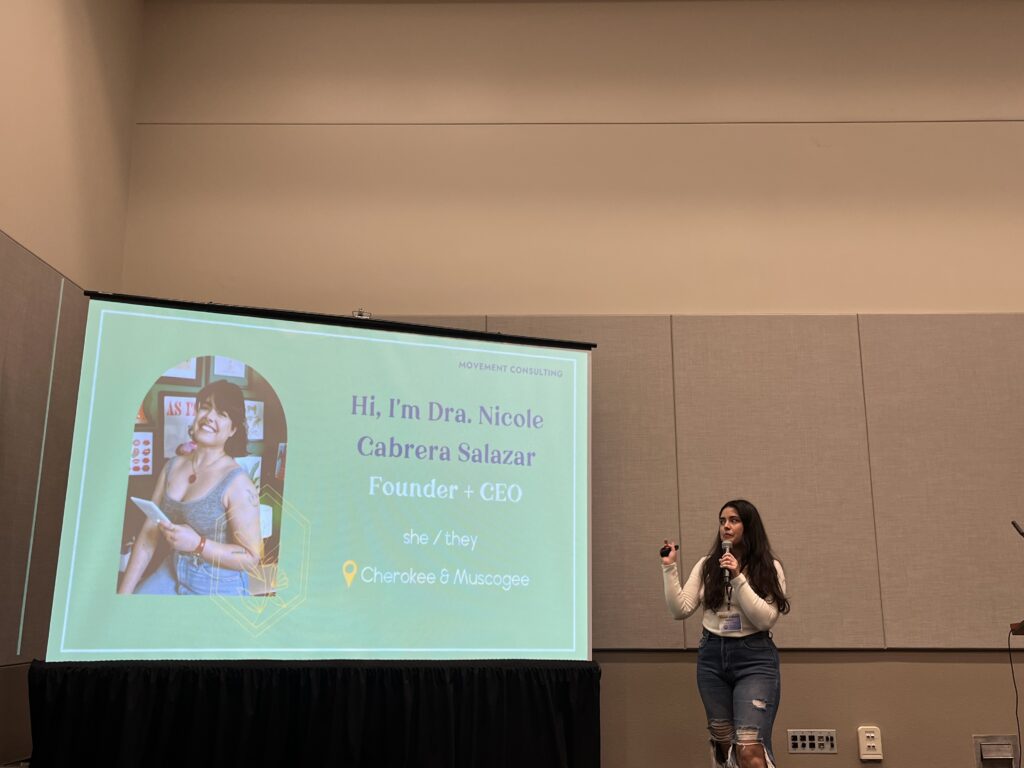
Speaker: Dra. Nicole Cabrera Salazar
Title: TBD
Abstract: TBD
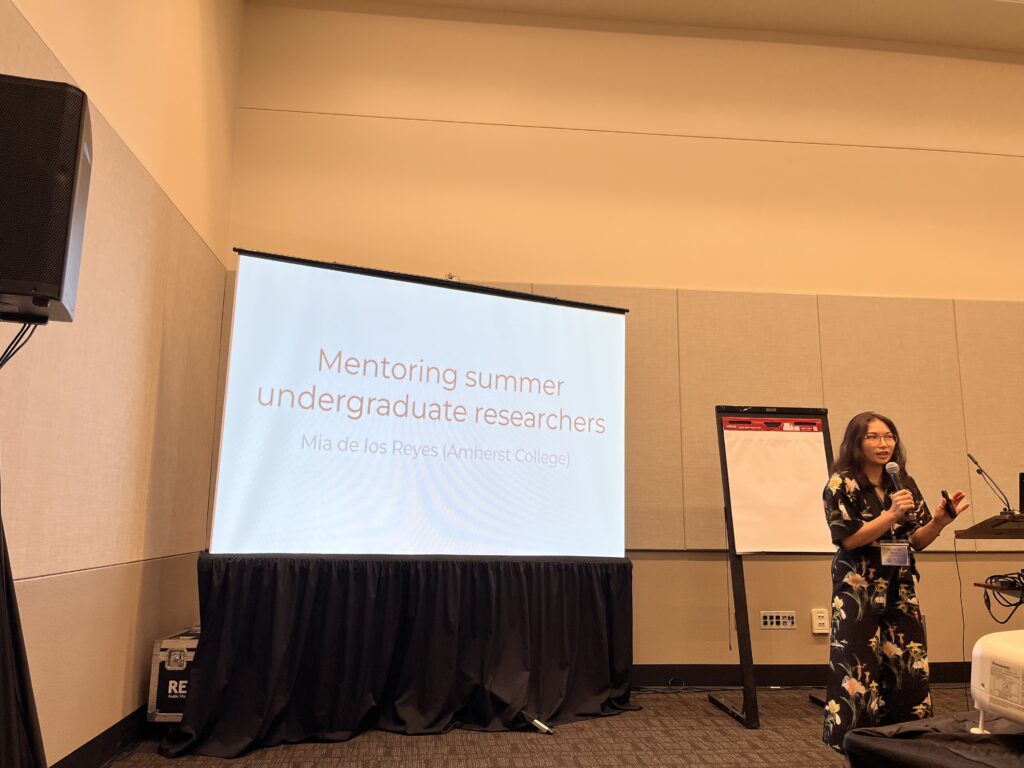
Speaker: Prof. Mia de los Reyes
Title: One person’s opinions on mentoring undergraduate research students
Abstract: What does it mean to successfully mentor a summer research student? In this workshop, we’ll practice setting strategic goals for yourself and for your mentee(s), designing projects (both in terms of content and logistics) that can meet those goals, and developing structures to maintain healthy mentoring relationships throughout and beyond the summer.
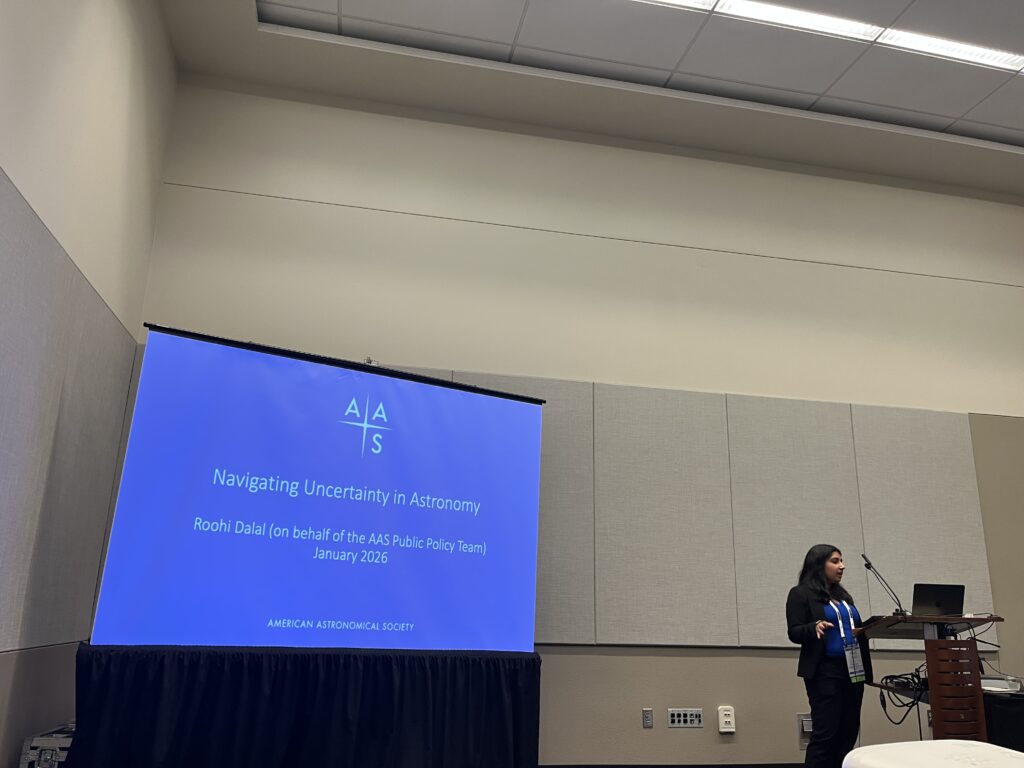
Speaker: Dr. Roohi Dalal
Title: Policy for the Astronomical Sciences in 2025 and Looking Forward
Abstract: I will share the latest developments from Washington, DC in terms of science and space policy, and share some of the actions that AAS has taken to support science funding, workforce development, broadening participation, and dark and quiet skies. I will discuss how the audience can help and be most effective in their advocacy. However, I hope to mostly hear from you and look forward to an open discussion about the policy concerns in the community, and how AAS can best represent you.
Speaker: Francisco Mercado
Title: Cosmos & Coffee: Bringing science to the the people, one cup at a time
Abstract: Cosmos & Coffee is a new public outreach series I co-founded to create accessible, community-centered astronomy events across the greater Los Angeles area. Each event features a short, visual science talk by a local astronomer, paired with free coffee from a small, independently owned coffee cart. By holding events in libraries and community centers, Cosmos & Coffee invites the public into welcoming spaces to engage with science, ask questions, and build personal connections with researchers. Speakers share both their research and personal journeys, helping to make science feel more human and relatable. As part of the broader Astro Uplift Project, the series also connects public outreach to undergraduate education by inviting guest speakers to participate in classroom discussions and student projects. This talk will share the goals, structure, and early impact of Cosmos & Coffee, and how it aims to foster dialogue, support local communities, and expand access to science in everyday spaces.
Speaker: Matthew De Furio
Title: Lifelong Learning with Friends: Continuing Education for Adults with Intellectual Disabilities
Abstract: People with intellectual and developmental disabilities receive most of their support through the public school system. Once they age out of state funded education programs, few educational opportunities exist, mostly dependent on charitable organizations. At Lifelong Learning with Friends, we provide continuing education courses for adults with disabilities on campus at UT Austin, taken together with volunteer undergraduate students. To date, I have led two courses, “Introduction to Astronomy” and “Observational Astronomy”, and am planning two new courses designed with a graduate student and postdoctoral fellow in the astronomy department, “The Science of Science-Fiction” and “Exoplanets and Life beyond Earth”. In this talk, I will describe our courses, the core concept of our program, and how it can be expanded to any university. I will also discuss the recruitment of other teachers without previous special education experience, and the successes and failings of the courses to date. These programs are open to all members of the public.
Speaker: Claire Lamman
Title: Untangling the Cosmic Web: correlations between small and large-scale clustering
Abstract: Large-scale gravitational forces leave detectable imprints on galaxies, affecting their motions, shapes, and orientations. While the intrinsic alignment of galaxies (IA) can trace large-scale structure and the cosmological effects that form it, practical applications are limited by difficulties in directly detecting IA in blue, faint, and distant galaxies. I present a novel approach to circumvent them: multiplet alignment. By detecting correlations between the orientations of small galaxy groups and the underlying dark matter, we show that small-scale galaxy clustering preserves an interpretable memory of the cosmic web. It can be used to uniquely explore the fingerprints left on galaxies by dark energy and gravity, advancing the power of large and upcoming cosmological surveys.
Speaker: Danielle Frostig
Title: Anomalous transients in the era of Rubin LSST
Abstract: As we build larger samples of superluminous supernovae (SLSNe), we also uncover more anomalous events. In this talk, I present an unusual Type I SLSNe, whose atypical light curve, spectroscopic features, and host environment do not fit the standard magnetar model and point toward alternative power sources. Exploring these models offers insight into the broader diversity of SLSNe and the physical mechanisms that may drive their most extreme members. Looking ahead, upcoming wide-field surveys such as Rubin’s LSST will discover millions of new supernovae, yet fewer than 1% will receive spectroscopic followup, leaving many of the most interesting events poorly understood. To address this gap, I will also introduce Boombox, a new set of spectrographs for MMT and Magellan designed to rapidly characterize anomalous LSST transients. Together, these efforts highlight both the scientific opportunities and the observational challenges posed by the next generation of time-domain surveys.
Speaker: Josh Forer
Title: Dissociative recombination of interstellar cations — theoretical and experimental laboratory astrophysics
Abstract: The reliability of astrochemical models depends partly on an accurate understanding of the underlying formation and destruction processes that control the abundances of the observed molecules. For many molecular ions, the dominant destruction mechanism is typically dissociative recombination (DR) with free electrons. The DR rate coefficient affects the charge balance of the cloud and the daughter product branching ratios determine which neutrals are recycled back into the cloud. Unfortunately, DR rate coefficients and branching ratios remain somewhat inconsistent across various temperature and internal-state-distribution regimes relevant for interstellar chemistry. Modern theoretical DR methods are able to determine state-selected and thermalized kinetic rate coefficients, but various theoretical results show disagreements for the total DR rates and can struggle to determine the branching ratios of even the smallest polyatomic ions. Recent experimental advances at the Cryogenic Storage Ring (CSR) at the Max Planck Institute for Nuclear Physics enable measurements of DR rate coefficients of many diatomic and polyatomic species in their lowest rotational, vibrational, and electronic states. This talk will present state-of-the-art theoretical and experimental DR results, as well as how both efforts complement one another.
Speaker: Briley Lewis
Title: Near-IR Polarimetry with Keck/NIRC2
Abstract: The Keck/NIRC2 infrared imager is currently being upgraded with a new suite of polarimetric observing modes. The polarimetry upgrade will open up a wide range of new studies, including investigations of exoplanets, the Galactic center, active galactic nuclei and the solar system. This mode will be particularly useful for the high-contrast imaging of circumstellar disks, where polarized differential imaging enables detection of lower surface brightness disks. The new modes enabled by the upgrade span the 1.1 to 4.1 μm range (J through L’ bands) and include imaging polarimetry, coronagraphic imaging polarimetry, and spectropolarimetry with both natural and laser guide star adaptive optics. Installation was recently completed with the installation of two half-wave plate modulators (one for J/H/K and one for L’) in late Summer 2025. The half-wave plates have been thoroughly characterized in lab, and commissioning observations are scheduled for Semester 25B, with the goal of making these modes available in 2026. This talk will describe the new observing mode’s design, capabilities, preliminary science results, current status, and potential future science cases.
Speaker: Devontae Baxter
Title: Simulation-Driven Insights into the Impact of Incompleteness on Identifying and Interpreting Galaxy Protocluster Populations
Abstract: Galaxy clusters, the most massive gravitationally bound structures in the universe, represent the extreme end of hierarchical structure formation. While nearby clusters have been studied in great detail, the earliest stage of cluster formation (i.e., the “protocluster” phase) remains less well understood, largely due to a lack of large, spectroscopically-confirmed protocluster samples identified using uniformly selected apertures and overdensity tracers. Next-generation observatories, with their wide fields of view, ultradeep imaging, and high-resolution spectroscopy, will help address these challenges. However, cosmological simulations of galaxy formation remain essential tools for interpreting existing protocluster samples, making testable predictions, and guiding future protocluster surveys. In this talk, I will share insights from my recent work using high-resolution zoom-in simulations of galaxy clusters to quantify how biases in protocluster selection functions — typically favoring the most massive and star-forming galaxies — impact our ability to identify protoclusters and influence interpretations of these structures as sites of accelerated galaxy evolution in the early universe.
Speaker: Katie Bristol
Title: Obtaining Records of Protoplanetary Disk Magnetism from Paleomagnetism of Meteorites
Abstract: Magnetic fields around Class 0/I young stellar objects (YSOs) likely influence mass and angular momentum transport, protosolar accretion, and planet-forming processes, but direct observations of these earliest stages remain limited. Paleomagnetic measurements of meteorites provide a unique avenue for probing these magnetic environments. While chondrule studies have constrained magnetic fields in later (Class II/III) stages of YSO evolution, earlier conditions remain poorly understood. To probe the earlier stages, I am targeting refractory inclusions (RIs) in three different chondrites: CO (ALHA 77307), CR (GRA 95229), and L (QUE 97008). RIs are the oldest known solar system solids, formed near the protosun ~2–3 Myr before chondrules, and are strong candidates for preserving Class 0/I magnetic signatures. To evaluate whether RIs in these samples retain primary remanence, I conducted comprehensive rock-magnetic analyses on bulk material. The results indicate that none of the samples have been remagnetized: All exhibit a low-coercivity overprint but also host a distinct high-coercivity component carried predominantly by magnetite, with contributions from kamacite and minor sulfides or related phases. ARM paleointensity results indicate that these high-coercivity components were acquired in extremely weak fields, consistent with the preservation of primary nebular magnetization. The next stage of the project focuses on locating and characterizing individual RIs. Using SEM/EDS, I am identifying inclusions, determining their mineralogy and textures, and evaluating their alteration histories. These data will guide the selection of the most promising targets for high-resolution paleomagnetic measurements aimed at constraining magnetic field strengths in the Class 0/I environment.
Speaker: Loren Matilsky
Title: How the Global Stellar Dynamo Changes during Spin-Down
Abstract: Spin-down—how stars slow their bulk rotation rate over time due to the action of surface magnetic torques—remains a central unsolved problem in stellar astrophysics. The torques are ultimately caused by the global stellar dynamo, the process by which the turbulent stellar interior inductively generates large-scale magnetism spontaneously and maintains these fields against dissipation. The dynamo drives mass and angular momentum loss through a stellar wind, and also extends the “moment arm” of the star significantly into the atmosphere through the dynamo-produced large-scale magnetic field, leading to direct magnetic torques as well. The central research goal of my NSF Fellowship was to characterize the global stellar dynamo as a function of rotational rate. Recently, I have made significant progress toward this goal by implementing a suite of global dynamo simulations covering a broad range of degrees of rotational influence (as characterized by the flow’s Rossby number), but at a basically fixed turbulence level (as characterized by the flow’s Reynolds number). This suite appears to recover some basic aspects of stellar observations for the first time (like the slope of the observed dependence of dynamo field strength on stellar rotation rate), and allows a systematic description of the underlying processes driving dynamo evolution throughout the spin-down process.
Speaker: Steven Giacolone
Title: Distinguishing the Formation Pathways of Giant Planets and Brown Dwarfs
Abstract: Giant planets and brown dwarfs are thought to have distinct formation mechanisms; the former are believed to form bottom-up (e.g., via core accretion) and the latter are believed for form top-down (e.g., via disk fragmentation). However, the observational evidence needed to support this claim has historically been sparse. I present several ongoing efforts to resolve these different formation pathways using various observational signatures and discuss implications for our understanding of planet formation.
Speaker: Jorge Cortes
Title: Lamat: A Guiding Star for Undergraduate Students into Astrophysical Research, and Beyond!
Abstract: Lamat is a program founded by Prof. Ramirez-Ruiz at the University of California, Santa Cruz (UCSC), offering students an immersive eight-week introduction to astrophysical research methods and tools, with a particular focus on computational astrophysics. Recruitment is predominantly conducted at community colleges across Northern California (e.g., Hartnell College, Modesto Junior College, De Anza College, etc.), where the key selection criteria revolve around academic accomplishments and the potential for future achievements. The selected interns work closely with faculty and PhD students at UCSC from the Physics, Earth and Planetary Sciences and Astronomy Departments. In this talk I will provide a brief history of Lamat, as well as its impact over the past 15 years.
Speaker: Jane Bright
Title: Kicked, Flipped, and Aligned: Gravitational Recoil as the Engine of Eccentric Stellar Disks
Abstract: The asymmetric emission of gravitational waves during supermassive black hole (SMBH) mergers imparts a recoil kick on the remnant black hole, making it a powerful mechanism for reshaping the stellar environments of galactic nuclei. We present a unified analytic and N-body investigation into the post-kick dynamics of an initially circular stellar disk surrounding the merger remnant. We find that a recoil kick naturally produces an apsidally-aligned eccentric disk containing a substantial counter-rotating stellar population. Analytically, we fully characterize the exact orbital redistribution, identifying the regions where stars become unbound, flip to retrograde orbits, or adopt anti-aligned orbits, and predict the resulting eccentricity and apsidal alignment profiles across the disk. Furthermore, we analytically define the zones of stars placed on immediate tidal disruption event (TDE) orbits and calculate the predicted rate of TDEs. Utilizing N-body simulations, we demonstrate a key dynamical consequence: the retrograde fraction governs the disk’s long-term behavior. Disks with significant counter-rotation exhibit greater long-term stability (more pronounced and long-lasting alignment), remain highly eccentric, and consequently display the highest TDE rates. Crucially, the counter-rotating population is shown to slow the disk’s collective precession rate, offering a direct dynamical explanation for the slowly precessing, apsidally aligned eccentric stellar disk observed in the M31 nucleus, and providing a new formation pathway for the M31 structure. This work also characterizes the conditions for a prompt TDEs that is highly probable immediately post-merger, which could serve as a unique, delayed electromagnetic counterpart to the gravitational wave signal itself.
Speaker: Samantha Walker
Title: Visualizing the Properties of Astronomical Superconducting Detectors with Scanning SQUID Microscopy
Abstract: Large arrays of superconducting detectors, including transition-edge sensors (TESs) and kinetic inductance detectors (KIDs), are being used in an increasing number of astronomy experiments across the electromagnetic spectrum, from millimeter to X-ray astrophysics. However, there remain gaps in our understanding of the detector physics, including a detailed understanding of the TES resistive transition when biased in their superconducting transition and the sensitivity of KIDs to background magnetic fields. Using the highly sensitive magnetic imaging technique, scanning superconducting quantum interference device (SQUID) microscopy (SSM), we directly visualize the superconducting properties of detectors with micrometer-scale spatial resolution at sub-Kelvin temperatures. We image different types of TESs and KIDs, designed to operate at mm/submm wavelengths for ground-based cosmology experiments or as high resolution X-ray microcalorimeters. For TESs, we image behavior consistent with a longitudinal proximity effect, where the TES acts as a weak link between superconducting leads. This effect has previously been inferred from transport measurements but not directly observed before. Using SSM, we also visualize how current flows in TESs during voltage-biased operation. For KIDs, we characterize magnetic sensitivity by directly imaging vortex configurations across the device. Through measurements of superconducting detectors of different materials and geometries, we can gain insights into how film material, device dimensions, and normal metal structures influence device parameters. Our work has implications for understanding how design choices affect TES and KID operation and aims to lead to more optimal superconducting detector arrays for future observatories.
Speaker: Ronald Lopez
Title: MOMOS: A Multi-Object MKID Optical Spectrometer testbed
Abstract: Conventional high-resolution echelle spectrographs are typically designed to take detailed spectra of a very limited field of view, such as a slit or fiber. Alternatively, multi-object spectrographs are designed to acquire spectra of multiple targets simultaneously at the expense of spectral resolution, wavelength coverage, and/or instrument cost. The inherent energy resolution of superconducting microwave kinetic inductance detectors (MKIDs) can be used to eliminate the need for a cross-dispersing element in an echelle spectrograph, dramatically simplifying the optical design and freeing up valuable detector space that can be allocated to the spectra of multiple objects. MOMOS lays the foundation for a new class of high-resolution multi-object spectrographs (HRMOS) that do not need to compromise resolution or coverage. A future, fiber-fed MKID HRMOS for HWO or the extremely large class of telescopes will be able to sample a comprehensive region around a star with an R~100,000 to simultaneously detect and characterize exoplanet atmospheres using high-dispersion coronagraphy (HDC). With this technique, star/planet contrast can be increased by a factor of 1000, which is a large step towards reaching the contrast goals of 10^-10 for characterizing earth like planets around sunlike stars.
Speaker: Olivia Cooper
Title: The cosmic evolution and interstellar conditions of dust-obscured galaxies
Abstract: The dearth of detailed spectroscopy for dusty star-forming galaxies (DSFGs) — the primary sites of dust and stellar mass assembly at the peak of activity in the Universe — greatly hinders our ability to interpret their physical processes and evolutionary pathways. With joint ALMA and JWST/NIRSpec observations for a sample of submillimeter-selected DSFGs at z=1-5, I measure tracers of dust and stellar content across energy regimes and timescales. While photometry alone suggests uniform properties in line with canonical DSFGs, the spectra reveal distinct star formation characteristics, with a subset of the sources exhibiting post-starburst spectroscopic features (e.g. Balmer breaks). Leveraging detections of multiple Balmer and Paschen lines, we derive an attenuation curve and find it to differ from the commonly-adopted Calzetti curve, potentially suggesting a smaller dust grain size distribution. With constraints from spatially resolved multi-band JWST imaging, we break major degeneracies between dust composition and complex star-dust geometry, enabling robust connections between interstellar medium conditions and star formation histories and efficiencies. This study provides some of the first detailed spectroscopic evidence that the DSFG category encompasses a heterogeneous sample spanning physical properties and evolutionary stages, and illustrates the advantages of synergistic JWST + ALMA analysis of DSFGs.
Speaker: Clara Brasseur
Title: The magnetic coronae of cool stars and ultracool dwarfs
Abstract: Understanding stellar magnetic fields is crucial for characterizing the structure and evolution of stars. While there are ways to observe the surface magnetic field of a star, it is more difficult to detect the structure of the magnetic field above the surface in the corona. In this talk, I will present the data-driven model I use to investigate the magnetic atmospheres of low-mass stars. I will demonstrate test cases showing how the model generates synthetic observations for comparison with telescope data. I will also discuss my current work refining the model for application to ultracool dwarfs.
Speaker: Caroline Huang
Title: Cataloguing the Long Period Variables in Supernova Host Galaxy M101
Abstract: The Asymptotic Giant Branch (AGB) phase is the final stage of nuclear-burning life for the vast majority of stars with masses ranging from 0.5 – 8 M☉. Variability is a defining characteristic of the AGB phase – all AGB stars are long-period variables that fall onto several sequences in the Period-Luminosity space. The pulsational properties of these stars also offer insights into their evolutionary stages, chemical composition, and mass-loss rates. In my talk, I will discuss my recent work identifying and classifying long-period variables in the nearby spiral galaxy M101 using a combination of JWST data connecting these classifications with OGLE and WISE observations of AGB stars in the Large and Small Magellanic Clouds.
Speaker: Briley Lewis
Title: Surveying the State of Writing Education in Physics and Astronomy
Abstract: Writing is a critical skill for modern science, enabling collaboration, scientific discourse, public outreach, and more; accordingly, it is important to consider how physicists and astronomers are trained to write. This study aims to understand the landscape of science writing education, specifically in physics and astronomy, in higher education in the United States. An online survey probing various aspects of their writing training in both undergraduate and graduate school was administered to 515 participants who have obtained training in physics and/or astronomy, or related fields, at the level equal to or beyond upper-division undergraduate study. Humanities and writing requirement courses appear to have a key role in general writing education, while laboratory courses and feedback from mentors are the dominant modes of science writing education in undergraduate and graduate school respectively. There is substantial variation in the quality of writing education in physics and astronomy, often dependent on the student’s institution and/or mentor. Some participants also report that their success in disciplinary writing was a result of a solid foundation from K-12 education and/or self-direction towards resources; such reliance on past experiences and student background may contribute to inequality in the field. Many participants also stated a clear desire for more structured writing training to be available in the field; we provide suggestions for how to implement such training to meet the needs of the community identified in the survey.
Speaker: Claire Lamman
Title: Annotated Papers: Broadening the audience of scientific manuscripts
Abstract: Scientific papers are famously opaque, even to scientists. I annotate papers, communicating the main results while preserving the process it took to get them. This increases the accessibility of the manuscripts to all audiences: general public, students, and even the paper’s own authors! I’ll cover how I made the annotations, how this process has spread, and ideas about the future.
Speaker: Joey Golec
Title: An Update on the Commissioning of the TolTEC Camera
Abstract: The TolTEC camera is a trichroic polarimeter deployed on the 50-meter Large Millimeter Telescope (LMT) on Sierra Negra in Mexico. It observes in three photometric bands centered at 150, 220, and 280 GHz with respective angular resolutions of 10, 6, and 5 arcseconds. TolTEC achieved first light in 2022 and commenced commissioning in December of that year. Issues with the LMT and TolTEC prevented commissioning observations for most of 2023 and 2024 with TolTEC only observing for a few nights. The TolTEC commissioning campaign resumed in January 2025. We present an update on TolTEC commissioning with results from after December 2022. This update includes a discussion of techniques used to improve the gain of the TolTEC and LMT optical system, and preliminary images of the Serpens South star-forming region, the brightest Dusty Star Forming Galaxy in the AzTEC survey of the COSMOS field, a debris disk star, and polarization images of the Rho Oph A star-forming region.
Speaker: Sabrina M. Appel
Title: Exploring Protostellar Jets in Star Cluster Formation with Torch
Abstract: Stars form in clusters from dense, collapsing gas in giant molecular clouds. Many physical processes play a role in this process, including several modes of stellar feedback. Thus, developing a complete picture of the star formation process requires tracking each stage of star cluster formation and evolution from the initial collapse of dense molecular gas, through the formation of stars, and finally, to the late time evolution and possible disruption of the stellar cluster. Torch is a numerical framework that is optimized for simulating the formation and evolution of star clusters and that addresses this multi-faceted problem by using the Astrophysical Multipurpose Software Environment (AMUSE) to bridge the magnetohydrodynamical code FLASH with N-body and stellar evolution codes. Torch additionally implements several stellar feedback mechanisms, including radiative feedback, stellar winds, and supernovae. However, Torch did not previously include protostellar jet feedback. In this talk, I will present my work implementing protostellar jet feedback in Torch and discuss our initial results with this new jet implementation. In particular, we find that including protostellar jet feedback slows star formation in clouds of up to 20,000 solar masses, highlighting the potential for jets to affect the final properties of star clusters. We find that the chosen jet properties can significantly impact the effectiveness of feedback in halting star formation, and that jets with higher injection velocities slow star formation more than jets with lower velocities. We also find that protostellar jets alter the gas distribution and increase the kinetic energy of the gas.
Speaker: Ruby Byrne
Title: 21 cm Cosmology with the OVRO-LWA Stage III
Abstract: 21 cm emission from neutral hydrogen represents a promising probe of the universe’s large-scale structure across cosmic time. At near redshift, this emission traces galaxies and the Cosmic Web; during the Epoch of Reionization, it maps ionization of the intergalactic medium by early stars and galaxies. At the highest observable redshifts, 21 cm emission offers a key observable for constraining the Dark Ages and Cosmic Dawn. The Owens Valley Radio Observatory Long Wavelength Array (OVRO-LWA), currently in its Stage III upgrade, could provide constraints on the 21 cm power spectrum from the Cosmic Dawn, at z~18. In this talk, I describe progress toward achieving these new constraints. The OVRO-LWA Stage III is a low-frequency radio interferometric array in California’s Owens Valley consisting of 352 fully cross-correlated dual-polarization dipole antennas. Baselines up to 2.4 km in length enable precision calibration to compact calibrator sources, while the compact core offers good sensitivity to the 21 cm signal on large scales. I describe progress analyzing data from the OVRO-LWA Stage III, with a focus on new precision analysis techniques and systematics mitigation. In particular, I highlight challenges controlling radio-frequency interference (RFI) in the Owens Valley environment and reducing bandpass errors from signal requantization. I present progress overcoming systematics and describe lessons learned for future experiments with the OVRO-LWA and other 21 cm cosmology experiments.
Speaker: Joe Michail
Title: Probing Interday Variability of the Newest Galactic Center Transient
Abstract: MAXI J1744 is a newly discovered X-ray transient identified in January 2025 within the central parsec of the Galactic Center. Multi-epoch X-ray spectroscopy collected over the months following its outburst indicates that the source is a low-mass X-ray binary containing a stellar-mass black hole with low inclination. As part of a broader multi-wavelength campaign of Sgr A* in April 2025, we obtained ancillary VLA observations of MAXI near the peak of the X-ray light curve. In this talk, I will present the VLA polarization measurements from this fortuitous overlap, which probe both the local and large-scale magneto-ionized medium along the line of sight. Notably, in one epoch we detect a secondary polarized component, potentially signaling a newly-formed and short-lived hotspot in a jet.
Speaker: Adrian Frasier
Title: Thermohaline mixing drives helical flows in oceans and stars
Abstract: In stellar interiors, radiation zones (regions that do not undergo convection) are thought to be relatively laminar and drive very little turbulent mixing. However, if the mean molecular weight profile becomes inverted (i.e., the mean molecular weight increases with radius in some region), a form of turbulence develops that drives significant mixing and is also seen in Earth’s oceans. This turbulence is known as thermohaline mixing in stellar astrophysics, and as salt-finger (or double-diffusive) convection in physical oceanography. In this talk, I’ll show that salt-fingers in oceans are surprisingly similar to their stellar counterparts, and that this similarity enables 3D simulations in astrophysically-relevant parameter regimes previously thought inaccessible to simulations. Surprisingly, these simulations show that salt fingers tend to drive large-scale helical flows, which act back on the fingers by twisting them into corkscrew-like shapes. This finding has exciting implications for stellar interiors, where helical flows are conducive towards amplifying magnetic fields.
Speaker: Danielle Frostig
Title: Self-efficacy in STEM through a design and build telescope class
Abstract: For the education component of my grant, I run an after-school class at a local maker public maker space associated with Somerville High School. Over ~12 weekly sessions per year, local teens learn how to design, build, align, and observe with their own custom-made telescopes. The course focuses on hands-on STEM skills, teaching students 3D modeling and fabrication, such as 3D printing, laser cutting, and CNC routing. Students also get to meet a variety of guest teachers from the greater Boston area and ask them about career paths in engineering, astronomy, and physics. The program is intended to help students grow more confident in their STEM skills, and each student completes the course with a working telescope of their own design.
Speaker: Jane Bright
Title: From Passive Viewing to Active Exploration: An Interactive Simulation for Teaching and Learning the HR Diagram
Abstract: The Hertzsprung-Russell (HR) diagram is fundamental to understanding stellar properties, populations, and evolution, yet its abstract and static presentation in traditional textbooks can create significant conceptual barriers for student learning. I present a new, openly available interactive simulation, developed using the SceneryStack framework, leveraging the highly effective, multi-modal design principles of PhET to reduce cognitive load and enhance understanding. This web application allows students to dynamically manipulate a star’s key physical parameters in luminosity and temperature to directly observe the resulting changes in the star’s color, radius, and position on a dynamic HR plot. The accompanying inquiry-based scaffolded worksheet guides students toward several key learning goals, including determining the cause-and-effect relationship between temperature, luminosity, and the resulting stellar radius (i.e., the L~R2T4 Stefan–Boltzmann law); actively locating and classifying star types like main sequence stars, red giants, and white dwarfs based on their physical properties; and empirically discovering the lines of constant radius on the logarithmic HR plot, thereby establishing a robust physical framework for stellar classification. By allowing students to use the simulation as a virtual laboratory, they move beyond memorizing diagram regions to predicting and explaining the stellar properties that govern a star’s location. I will present the initial working model of this simulation and the accompanying pedagogical strategies for its integration, demonstrating its strong potential for promoting active learning and conceptual mastery. Details on how to access this openly available tool and materials will be provided, encouraging community adoption in high school or introductory college astronomy courses.
Speaker: Francisco Mercado
Title: Satellite quenched fractions around simulated MW-like galaxies
Abstract: Low mass satellite galaxies are sensitive probes of the interplay between internal processes and environmental effects. In this work, we compare satellite quenched fractions across three suites of cosmological simulations: FIREbox, FIRE zoom ins, and TNG50, and place them in context with observed Milky Way analogs from SAGA and ELVES. We find that all simulations reproduce the observed trend of increasing quenched fraction with decreasing satellite stellar mass, but FIREbox consistently overpredicts quenching, especially at low masses and large projected distances. In contrast, FIRE zooms and TNG50 more closely align with observations but still slightly overpredict quenching at the lowest masses. These results underscore the sensitivity of satellite quenching predictions to both resolution and physical models, and highlight the need for continued simulation and observation comparisons as new surveys expand the satellite census around Milky Way analogs.
Speaker: Caroline Huang
Title: The Legacy of Henrietta Leavitt
Abstract: Henrietta Swan Leavitt’s discovery of the relationship between the period and luminosity of 25 variable stars in the Small Magellanic Cloud, published in 1912, revolutionized cosmology. These variables, eventually identified as Cepheids, became the first known “standard candles” for measuring extragalactic distances and remain the gold standard for this task today. Leavitt measured light curves, periods, and minimum and maximum magnitudes from painstaking visual inspection of photographic plates. Her work paved the way for the first precise series of distance measurements that helped set the scale of the Universe, and later the discovery of its expansion by Edwin Hubble in 1929. In this talk, I will discuss our recent work re-analyzing the stars in Leavitt’s first Period-Luminosity relation using modern observations and methods of Cepheid analysis. Using only data from Leavitt’s notebooks, we assess the quality of her light curves, measured periods, and the slope and scatter of her Period-Luminosity relations. Overall, we find that Leavitt’s results are in excellent agreement with contemporary measurements, reinforcing the value of Cepheids in cosmology today, a testament to the enduring quality of her work.
Speaker: Stephanie Ho
Title: Gas Flows in the Multiphase Circumgalactic Medium
Abstract: The interplay between galaxies and their surrounding gas, known as the circumgalactic medium (CGM), shapes the evolution of galaxies. Quasar sightline observations reveal that low-ionization-state gas of the CGM corotates with the galaxy disk and often at sub-centrifugal velocities, suggesting that the gas is spiraling towards the galaxy disk. However, while observations ubiquitously detect the warm-hot (~10^5.5 K) CGM traced by O VI absorption around low-redshift, ~L* star-forming galaxies, the relationship between O VI and the galaxy disk, especially the kinematics, is not well-established. We will present our work of studying the multiphase circumgalactic gas flow. In particular, we will focus on the O VI kinematics and its comparison with that of the disk rotation and cool (~10^4 K) gas traced by low ions. Using quasar sightlines that probe the CGM near the major axes of low-redshift, star-forming galaxies, we show that individual O VI velocity components do not correlate with disk rotation, but the bulk of O VI gas in individual sightlines rarely counter-rotates. We then match the O VI velocity components with those of low ions by minimizing the difference of their velocity centroids. We show that O VI velocity components with successful low-ion matches are typically found at small sightline impact parameters and are more likely to corotate with the disk. Our results suggest that the low-ion-matched O VI velocity components trace the gas co-spatial with low ions near the extended disk plane in the inner CGM, whereas those without low-ion matches represent the gas at large 3D radii. While the gas at large radii is theoretically expected to kinematically correlate with the disk angular momentum, this correlation is expected to be weaker due to the higher turbulent to mean rotation velocity ration at large radii, consistent with our results.
Speaker: Olivia Cooper
Title: Teaching the world in astronomy classrooms
Abstract: We have a responsibility and opportunity as scientists and educators to represent our best understanding of the natural world. In this talk, I describe why the astronomy classroom is uniquely suited to developing a comprehensive understanding not only of the Universe’s systems, but also of Earth systems. We demonstrate this through a pilot study in an introductory astronomy class at UT Austin, and assess the impact of our lesson plan on student attitudes. As an NSF AAPF fellow, I am working with education and outreach experts at CU Boulder and Fiske Planetarium to further develop and implement these education materials within astronomy and physics undergraduate courses. The ultimate goal of these interventions is to inspire future scientists, build students’ relationship to nature, increase awareness of local impacts of earth systems variability, and promote community, engagement, and action. This program will reach 10,000 students at CU Boulder during my tenure as an NSF AAPF fellow, hundreds of members of the public via Fiske Planetarium content, and is projected to reach many more students and planetaria audience members beyond CU Boulder.
Speaker: Devontae Baxter
Title: Dismantling Barriers to STEM Research for Community College Students
Abstract: Students that begin their journey at two-year colleges often face greater barriers to entering academic research than their peers that begin at four-year institutions. These challenges are largely due to limited access to resources and research opportunities, which can prevent these students from advancing their scientific careers. To help address this issue, I’ve developed a mentorship and training program called CARP (Computational Astrophysics Research Preparation), which equips prospective community college transfer students with the experience required to improve their transfer readiness and prepare them for careers in computational research. In this talk, I will share some of the challenges and successes of the CARP program, as well as how this program has influenced similar initiatives.
Speaker: Matthew De Furio
Title: Exploring the Role of Star-forming Environment on the Formation of Stellar Multiples
Abstract: Multiplicity is a common outcome of the star formation process. Previous stellar multiplicity studies in young, star-forming regions have identified a trend in wide (100 – 10,000 au) companion frequency with stellar density where higher frequencies are found in lower density regions, likely due to dynamical interactions. However, wide companions can be impacted by Galactic dynamics in the field, and are therefore not representative of the primordial population. Companions at separations < 100 au are likely to survive to reach the Galactic field and are important tracers of their birth environment. Using Gaia pre-selection, we performed large multiplicity surveys of solar-type stars in the Orion Nebula Cluster, Orion OB1b and OB1a (2, 5, and 10 Myr, respectively) with Gemini speckle interferometry and Keck/NIRC2 imaging and aperture-masking interferometry down to 10 au. We present the results of this multiplicity survey which allow us to explore the origin of the Galactic field population and the role of environment on the formation of stellar multiples.
Speaker: Kaley Brauer
Title: Simulating Early Galactic Chemical Evolution
Abstract: The smallest galaxies, the ultra-faint dwarfs, formed 13 billion years ago. Stars from these tiny galaxies thus are relics from the era of the first stars and galaxies that preserve clean signatures of early chemical enrichment. Previously, though, simulations have been unable to fully explain observed stellar chemical abundances in these galaxies. To interpret the rich data becoming available, we have run new high-resolution cosmological simulations of early galaxy evolution with individual stars, detailed chemical yields, and highly-resolved metal mixing: the Aeos simulations. We present the first results from these simulations, following the formation of chemical elements over time.